Niharika
Marketing - Technical Writer (India)



Niharika
In today’s fast-moving warehouse operations, efficiency is everything and Autonomous Mobile Robots (AMRs) are playing a key role in making that possible. One attachment that significantly enhances their capability is the lifter mechanism. By enabling the robot to raise and lower payloads on its own, a lifter eliminates the need for manual loading or unloading, speeds up workflows, and ensures stable transfers at docking points.
But when a lifter is paired with a tunneling attachment, things get even more interesting. This combination allows the robot to slide underneath trolleys or racks and either lift or push the load, depending on the requirement. It’s a flexible, space-saving solution that’s perfectly suited for warehouses handling variable payloads in tight or dynamic environments.
Warehouses often deal with payloads that vary widely in weight, from light bins to heavy trolleys. Most autonomous mobile robots (AMRs), however, are rated to carry only a specific range of weight. As a result, many facilities end up deploying multiple types of robots, each suited to a different payload category.
But managing different robot types comes with trade-offs: higher maintenance, more complexity, and sometimes the need for additional storage space, a luxury not every warehouse can afford, especially where space and time are already at a premium.
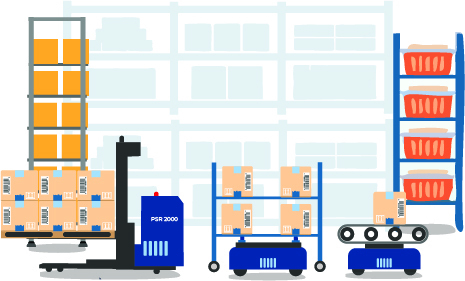
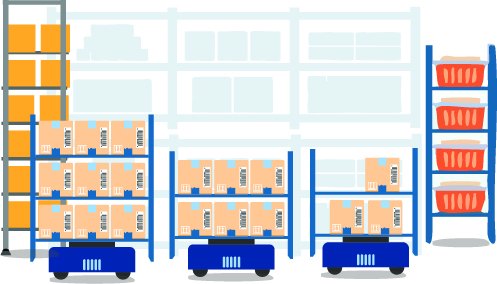
So, is there a smarter, more streamlined way to manage variable payloads with fewer robots?
That’s where the lifter with a tunneling attachment comes in.
A lifter with a tunneling attachment is a smart upgrade to a standard AMR lifter. What sets it apart is a locking mechanism built into the lifter bed that allows it to securely attach to the payload before moving it. Also, that it can be integrated with any base robot in the AR series, allowing you to scale its benefits across different deployment scenarios.
So how does it work?
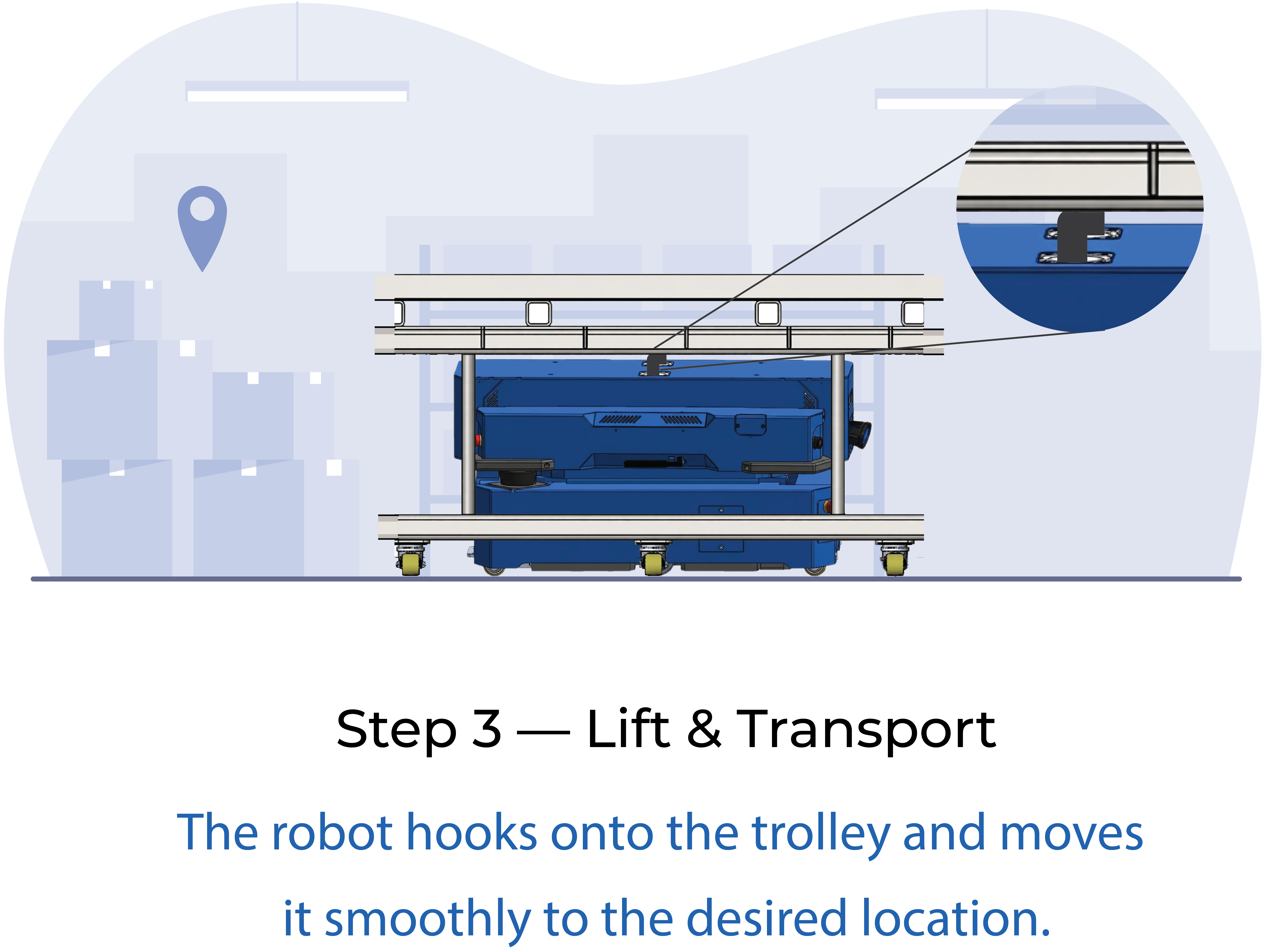
The core idea behind the tunneling attachment is simple but powerful: it takes less force to push a load along the ground than to lift it off the ground entirely. Leveraging this, the robot doesn’t always need to lift its payload to move it. Instead, it can lock onto the trolley and push or pull it across the floor, even when the load exceeds its rated lifting capacity.
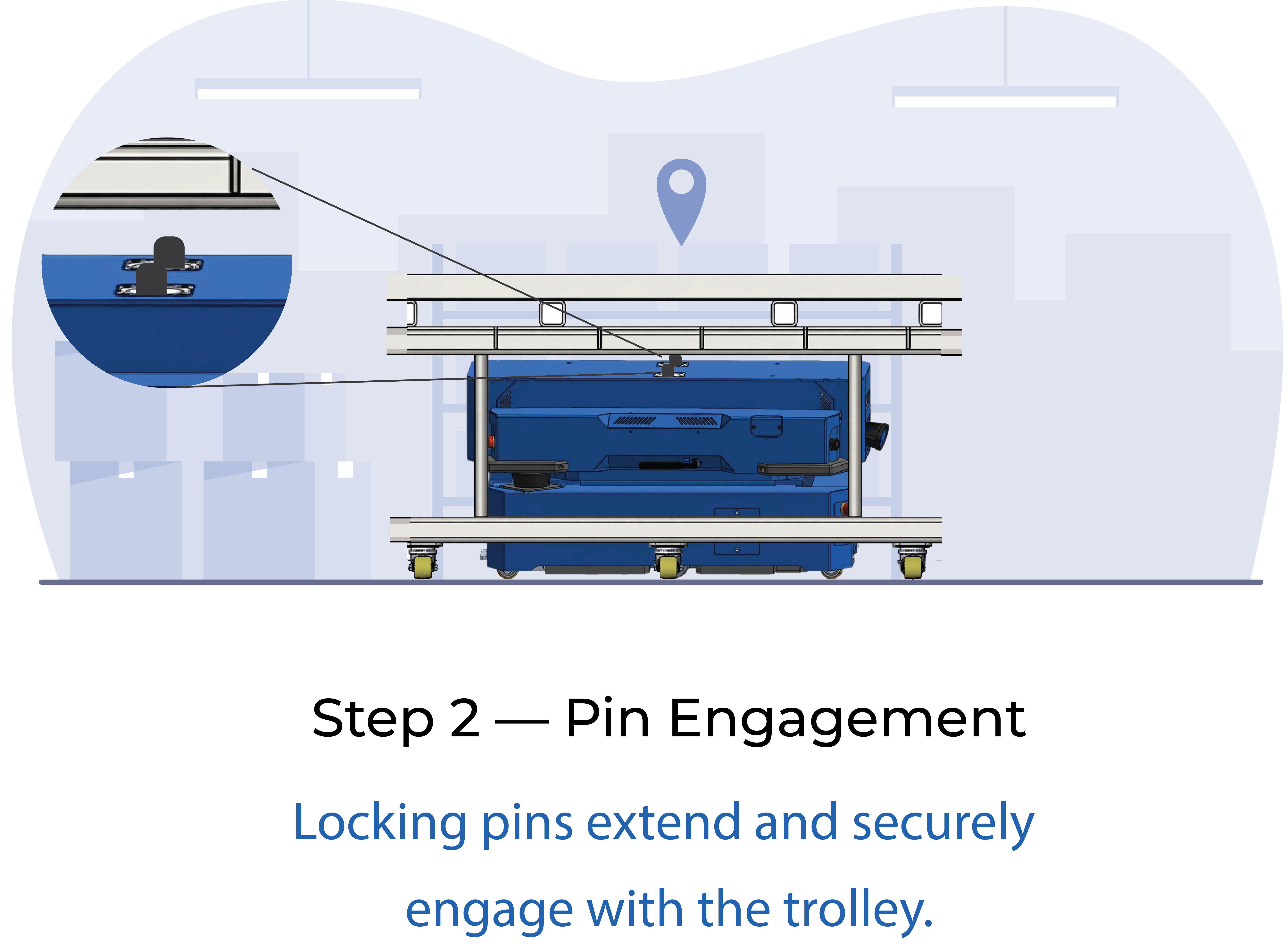
To enable this functionality, the warehouse trolleys need a one-time modification—a built-in locking interface that matches the robot’s lifter mechanism. Once this is in place, here’s how the process flows:
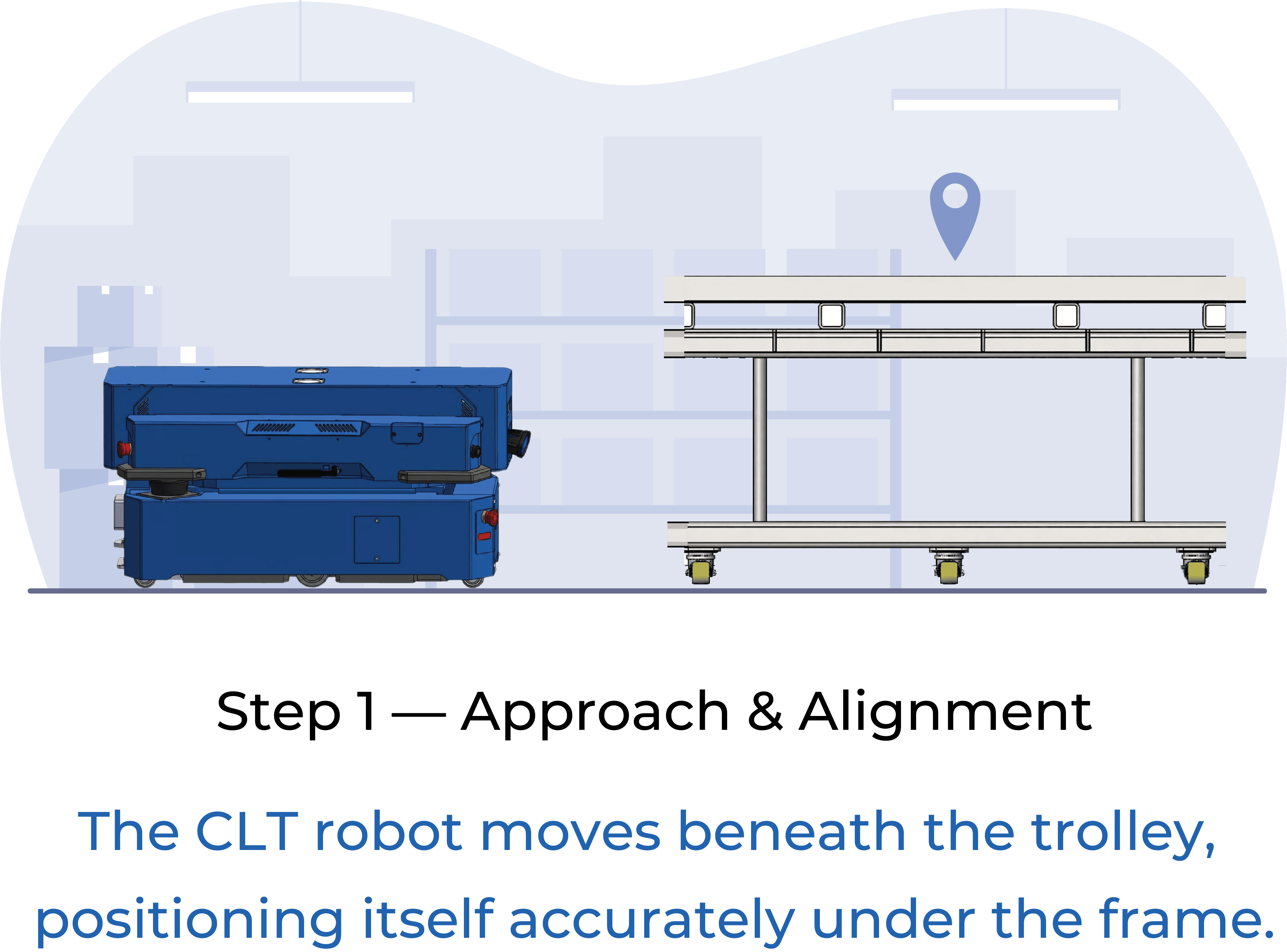
- The robot positions itself under the trolley.
- The lifter raises slightly to lock onto the modified trolley.
- If the payload is within the robot’s lifting limit, the lifter raises the trolley and carries it to its destination.
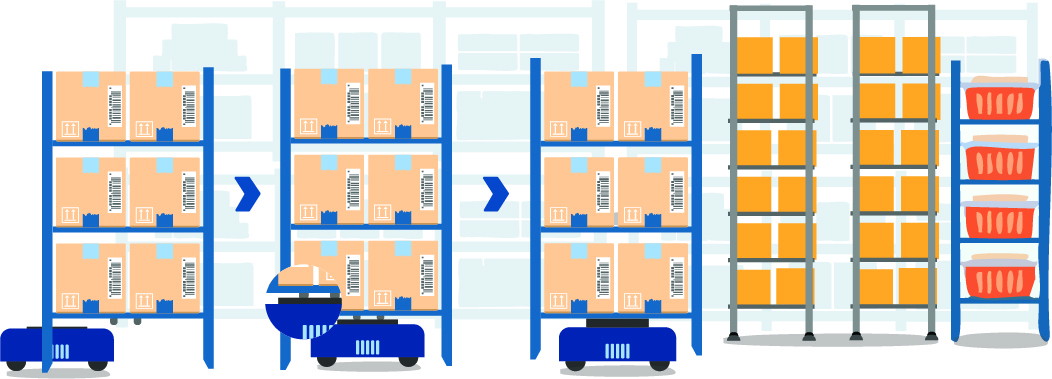
- If the payload exceeds the lift rating, the robot keeps the load grounded and simply pulls or pushes it across the floor.
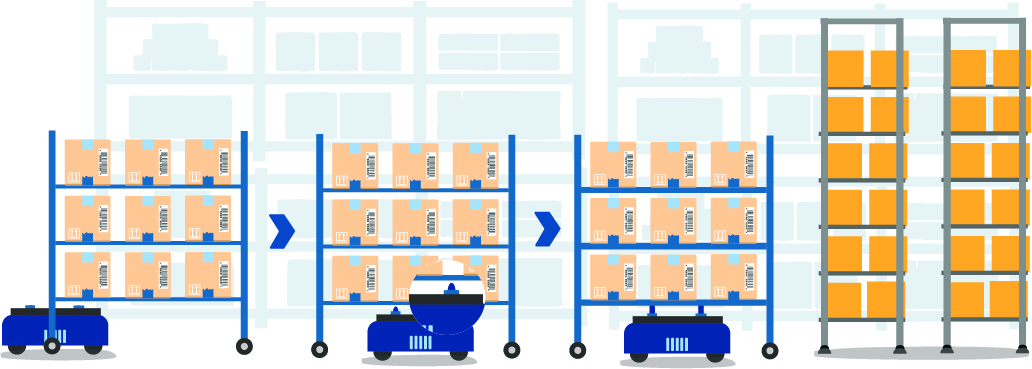
This approach gives the robot the ability to move payloads up to twice its rated capacity without compromising stability or safety. It’s a clever combination of mechanical efficiency and automation—and a great fit for facilities dealing with variable payloads but limited robot types.
The Custom Lifter with Tunneling (CLT) offers three distinct modes of operation:
- Standard Lifting – Lifts payloads up to 200 kg
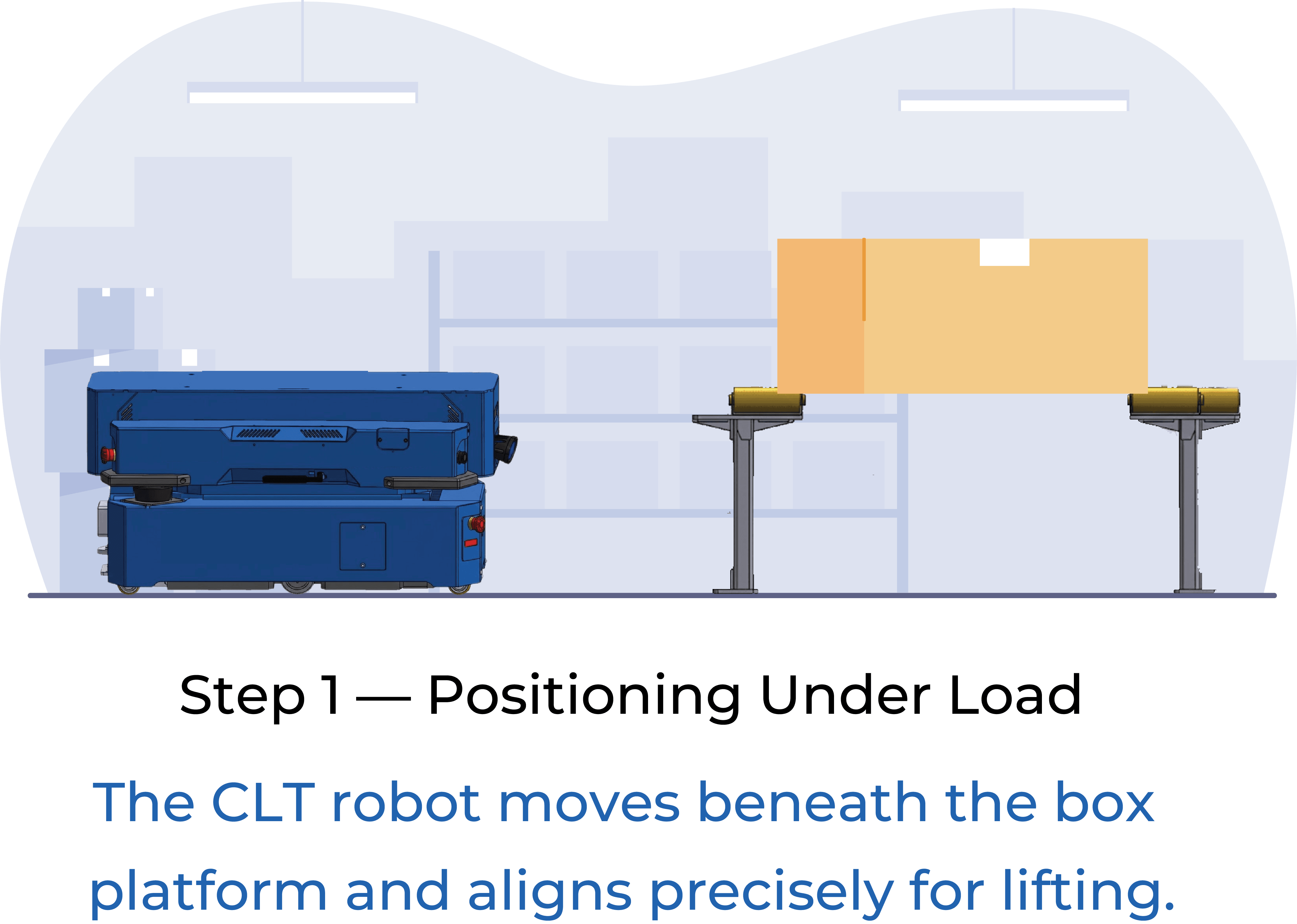
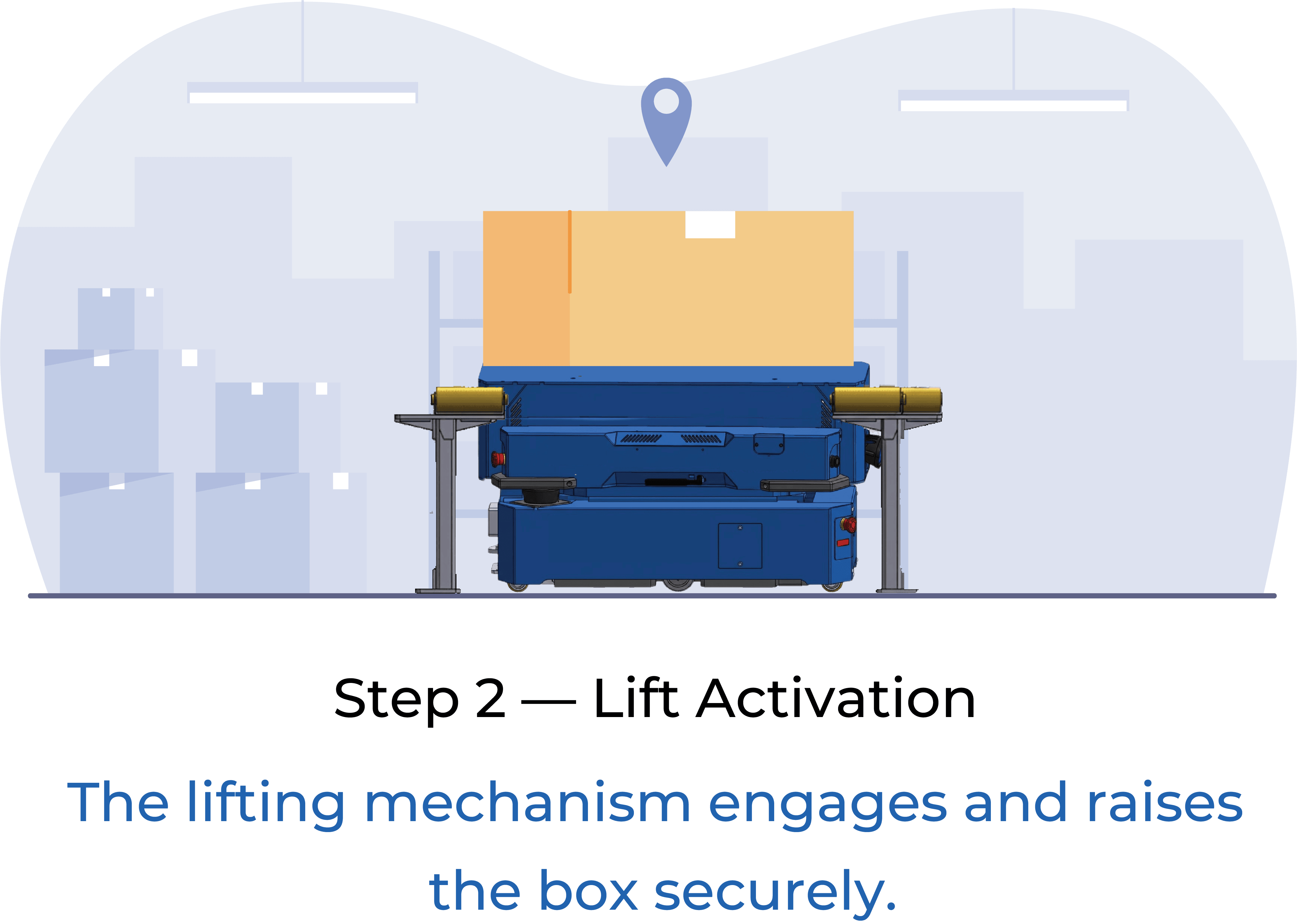
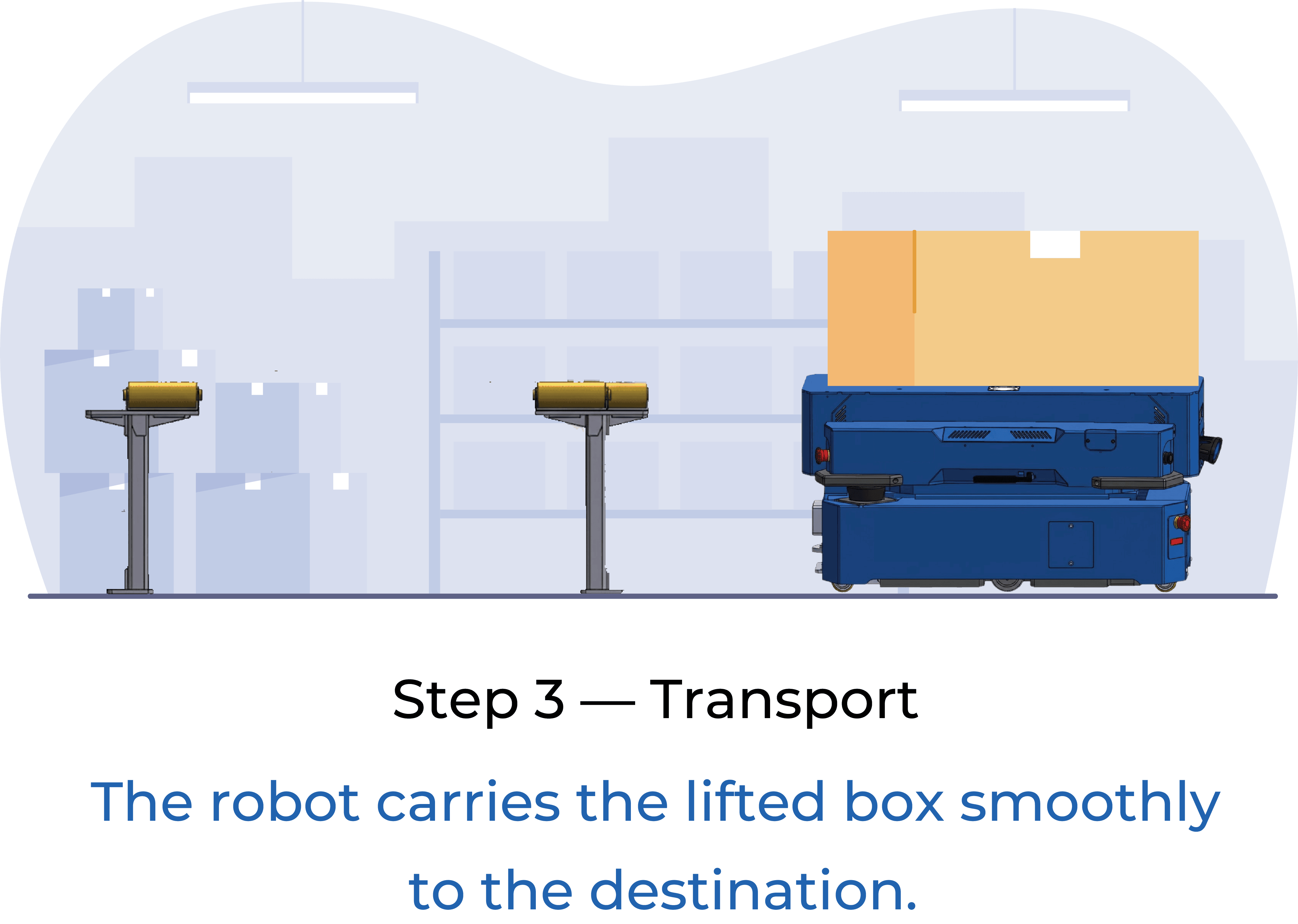
- Pallet Lifting – Handles palletized loads up to 200 kg
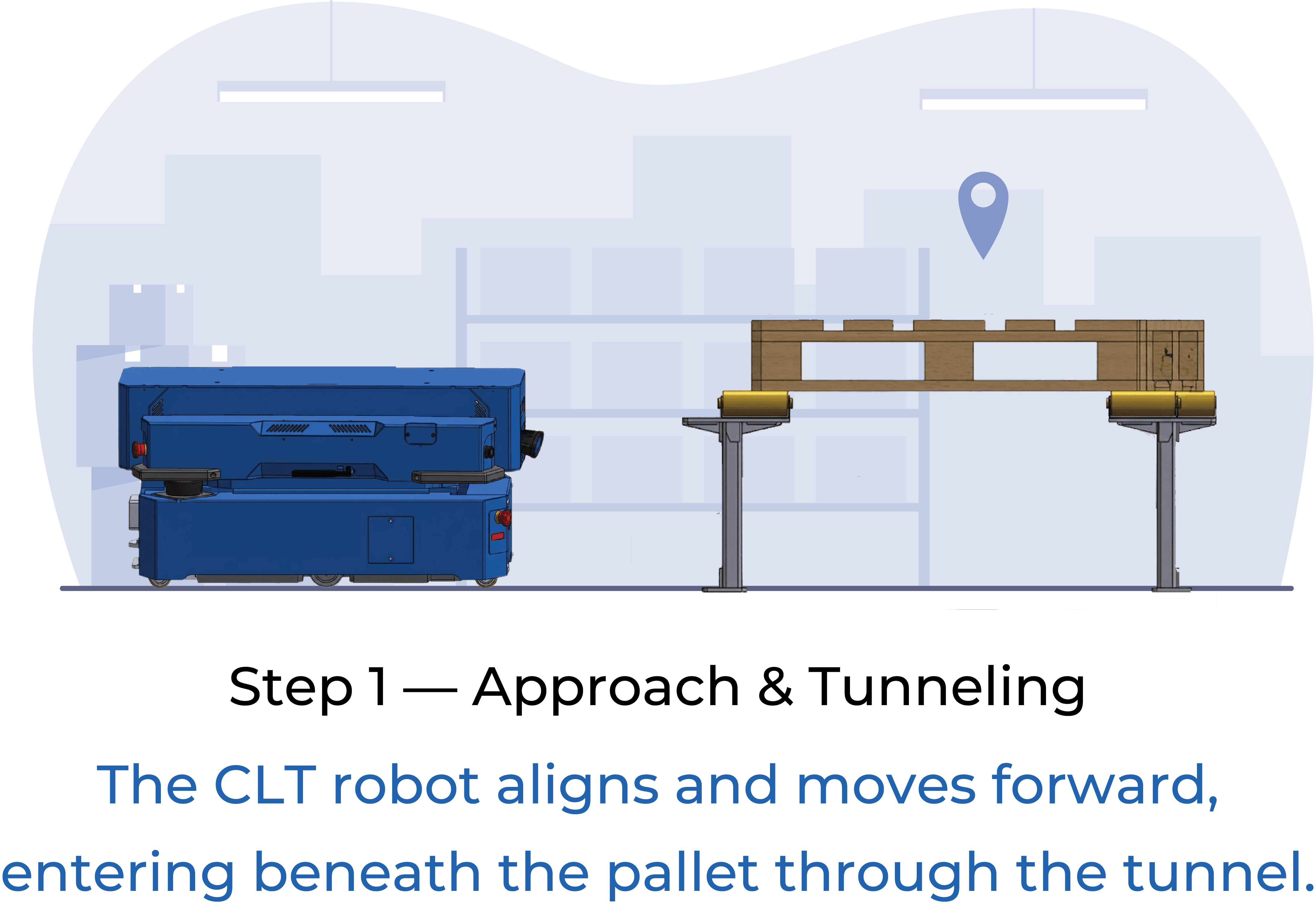
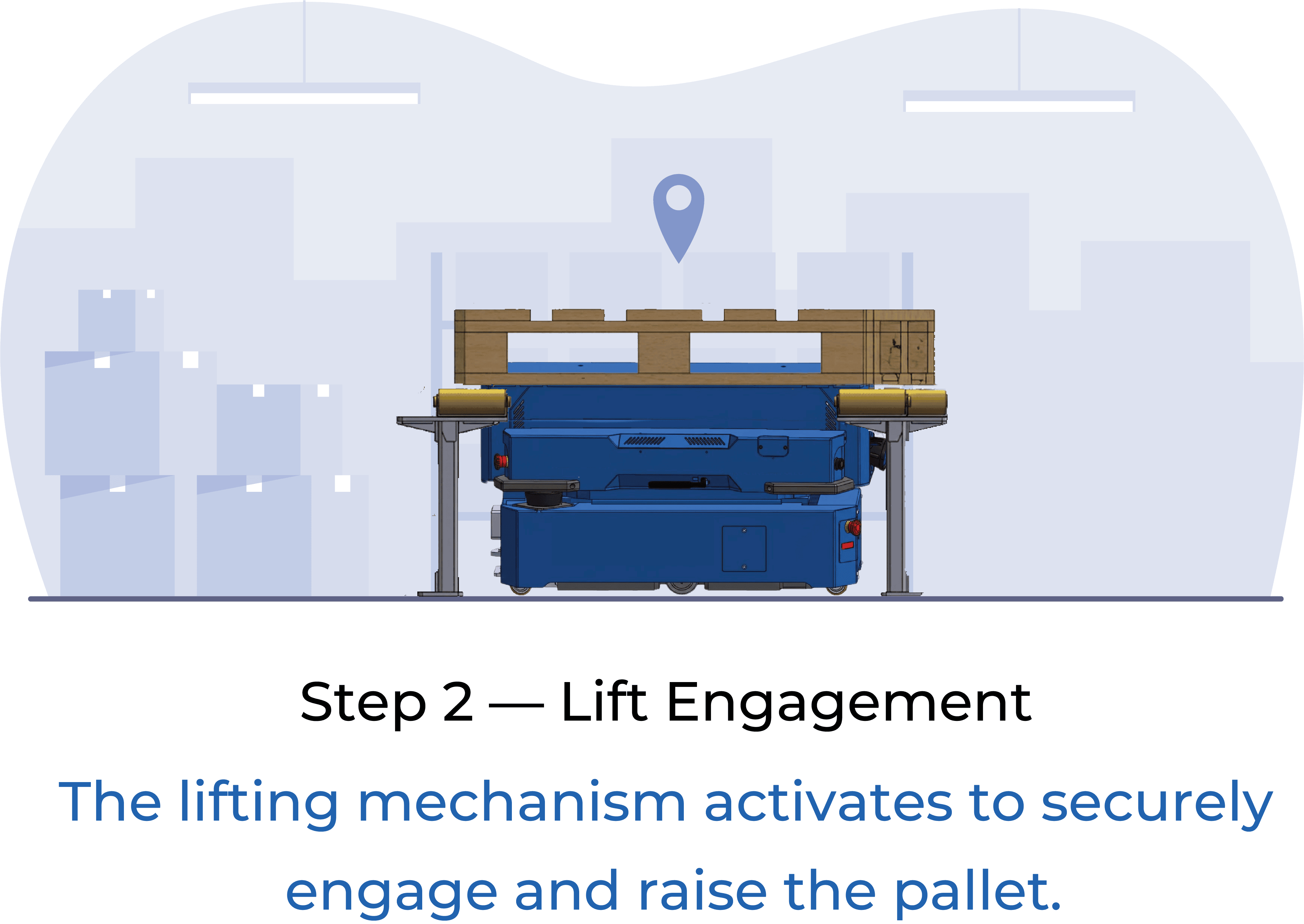
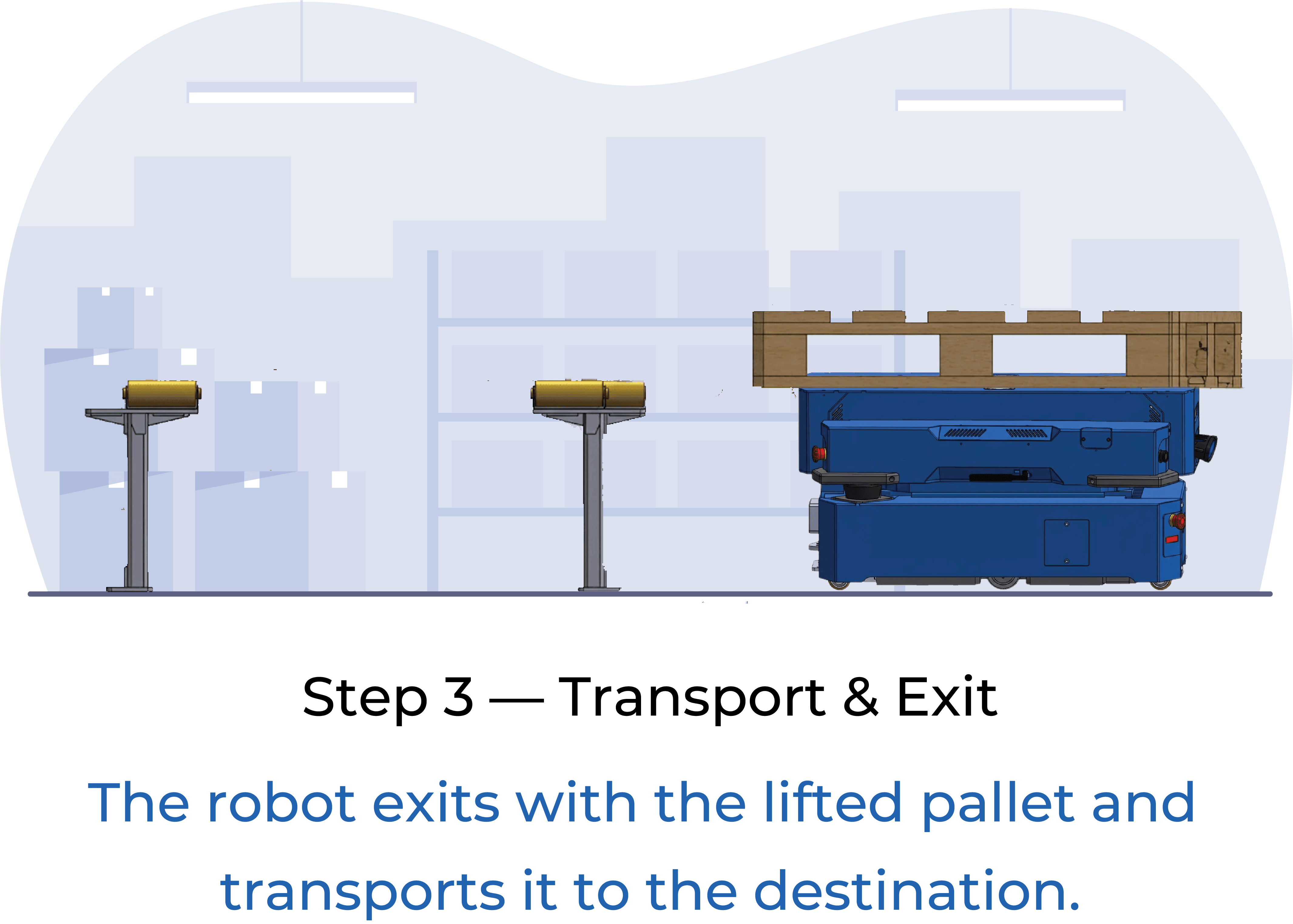
- Tunneling Mode – Transports heavier loads up to 450 kg by pushing instead of lifting
So how does a lifter with a tunneling attachment perform in a real-world setting? Let’s take the example of an urban micro-fulfillment center, a compact, high-throughput warehouse located close to end consumers.
The Challenge:
The client needed to automate the movement of a wide range of payloads, from lightweight bins to heavier, bulkier crates. But the environment came with its own set of limitations.
The Constraints:
- Limited Space: Micro-fulfillment centers operate in tight spaces, often within city limits, leaving little room for large equipment or wide aisles.
- Operational Simplicity: With fast-moving operations, there’s little time for complex training. The client needed a single type of robot that staff could easily operate and maintain.
- Flexibility: Inventory types and volumes change frequently. The solution had to adapt quickly to shifting payloads and workflows.
The Solution:
Deploying the AR250 with the CLT (Custom Lifter with Tunneling) attachment provided an elegant and efficient answer.
- Compact Footprint: The AR250’s small size made it a perfect fit for tight urban facilities, navigating narrow aisles with ease.
- Tunneling Capability for Heavy Loads: For payloads that exceed the robot’s rated lifting capacity, the tunneling attachment enables the AR250 to slide under and push or pull the load, bypassing the need to lift entirely.
- Built-In Flexibility: Because tunneling requires less force than lifting, the robot can handle a wide variety of payloads without compromising speed or safety.
This hybrid approach allowed the client to handle diverse material movement needs using a single robot platform while keeping operations simple, space-efficient, and scalable.
Sometimes, solving a problem means rethinking the problem itself. Instead of relying solely on lifting, the CLT attachment introduces a hybrid transportation method, combining lifting and tunneling to increase material handling capacity without increasing the robot’s footprint.
Looking to simplify your payload handling without compromising performance?
Let’s talk about how a hybrid approach can streamline your operations.

