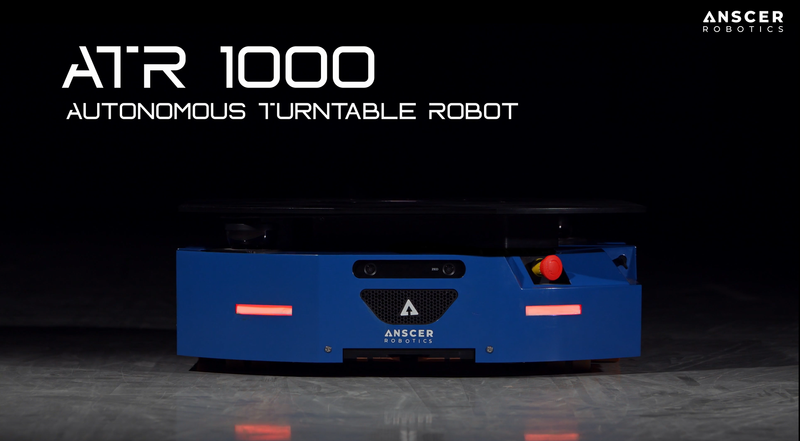
AMR Safety: Standards, Compliance & What to Check Before Buying an AMR
Understanding Autonomous Mobile Robot Safety, Industry Standards and Safe Deployment in Manufacturing & Warehousing Autonomous Mobile Robots (AMRs) are transfor..
Understanding Autonomous Mobile Robot Safety, Industry Standards and Safe Deployment in Manufacturing & Warehousing
Autonomous Mobile Robots (AMRs) are transforming material handling across manufacturing facilities, warehouses and industrial environments. From transporting raw materials and finished goods to automating repetitive intralogistics operations, AMRs are helping businesses move towards smarter, more efficient operations.
But as autonomous robots increasingly operate in environments shared with people, machines and other equipment, one consideration becomes critical: AMR Safety.
What makes an Autonomous Mobile Robot safe? How is safety ensured? Which safety standards and compliance requirements should businesses know about? And what should you evaluate before investing in an AMR?
These are important questions every business should consider before introducing autonomous robots into its operations.
Watch our on-demand webinar by ANSCER Robotics to understand the fundamentals of AMR safety, explore relevant safety standards and learn what to look for when selecting an AMR for your facility.
Watch the AMR Safety Webinar
Discover the safety principles, technologies, standards and considerations that matter when evaluating Autonomous Mobile Robots for industrial applications.
Webinar: Safety in Autonomous Mobile Robots - Beyond the Emergency Stop Button | ANSCER Robotics
What You Will Learn in This AMR Safety Webinar
This webinar provides insights into the important aspects of safety in autonomous mobile robotics, helping manufacturing and warehouse professionals make better-informed automation decisions.
1. Understanding AMR Safety and Its Importance
What does safety mean in the context of Autonomous Mobile Robots?
Understand why AMR safety goes beyond sensors and emergency stop buttons, and why it must be considered throughout the design, integration and operation of an autonomous mobile robot.
2. How Is Safety Ensured in AMRs?
Explore the safety mechanisms, protective features and technologies that help AMRs operate in dynamic industrial environments.
Understand how safety systems help robots detect people and obstacles, manage their movements and respond to potentially hazardous situations.
3. AMR Safety Standards and Compliance
Understand the importance of industrial safety standards and compliance when evaluating autonomous mobile robots.
Explore relevant standards and frameworks, including:
ISO 3691-4: Safety requirements and verification for driverless industrial trucks and their systems, including AMRs.
ISO 12100: General principles for machinery safety, including risk assessment and risk reduction.
ISO 13849-1: Requirements and methodology for safety-related parts of control systems.
ANSI/A3 R15.08-1 (formerly ANSI/RIA R15.08-1): Safety requirements for industrial mobile robots
and multiple other important compliances are included in the webinar.
Understanding these standards helps businesses evaluate the safety engineering behind an AMR and the requirements relevant to its intended application and operating environment.
4. What Should You Check Before Buying an AMR?
Choosing an AMR involves more than evaluating payload capacity, speed, navigation capabilities and price.
Safety should be an equally important consideration.
Learn what to look for when evaluating an AMR manufacturer and its solutions, including safety features, applicable standards, compliance documentation and suitability for your operating environment.
5. Making Informed AMR Investment Decisions
Understand why safety should be considered from the initial evaluation and planning stages through deployment and ongoing operation.
A well-informed decision helps businesses assess the suitability of an AMR for their specific material-handling requirements and operational environment.
What Should You Look for When Evaluating AMR Safety?
Before selecting an Autonomous Mobile Robot for your factory or warehouse, consider asking your potential AMR supplier the following questions:
Safety Design and Features
What safety mechanisms and protective devices are incorporated into the AMR?
How does the robot detect people and obstacles?
How does it respond to potential collisions or unexpected situations?
Standards and Compliance
Which international or regional safety standards are relevant to the AMR?
Are the safety-related control functions designed and validated against applicable requirements?
Operating Environment
Is the AMR suitable for the intended facility layout and operating conditions?
How are interactions with pedestrians, forklifts, machinery and other equipment addressed?
What safety considerations apply to the payload and attached modules?
Deployment and Support
Is risk assessment considered during system integration?
What training, maintenance and operational guidance are provided?
How are safety requirements managed when the facility layout or operating conditions change?
These considerations help businesses look beyond product specifications and evaluate the overall safety suitability of an AMR solution.
Why AMR Safety Matters for Manufacturing and Warehousing
AMRs are increasingly becoming an integral part of modern intralogistics operations. They move materials between workstations, transport pallets, support production lines and automate repetitive internal transportation tasks.
As these robots become part of everyday operations, safety must remain a priority.
A comprehensive approach to AMR safety considers the robot, its protective systems, the operating environment, system integration and the people working around it.
For businesses adopting industrial automation, understanding these aspects is an important step towards responsible and effective AMR deployment.
About ANSCER Robotics
ANSCER Robotics develops Autonomous Mobile Robots (AMRs) and intelligent intralogistics solutions for manufacturing facilities and warehouses.
From pallet handling and shelf movement to autonomous trolley transportation, tugging and specialized material-handling applications, ANSCER's robotic solutions are designed to automate material movement across diverse industrial operations.
With a focus on intelligent automation, safety and scalable material movement, ANSCER Robotics helps businesses move towards more efficient and connected industrial operations.
Explore our AMR product portfolio to discover solutions for different material-handling applications.
Make Smarter and Safer Automation Decisions with ANSCER Robotics
Considering Autonomous Mobile Robots for your manufacturing plant or warehouse?
Understanding AMR safety is an important first step towards selecting the right automation solution.
Connect with ANSCER Robotics to explore our autonomous mobile robot solutions and discuss your material-handling requirements.
Talk to Our Experts
Website: https://www.anscer.com/
Email: sales@anscer.com
Frequently Asked Questions
What is AMR safety?
Which safety standards apply to Autonomous Mobile Robots?
How do AMRs ensure safety around people?
Is an emergency stop button enough to ensure AMR safety?
What should businesses consider before purchasing an AMR?
Does AMR safety depend only on the robot manufacturer?
No. AMR safety is a shared consideration involving the robot manufacturer, system integrator and end user. The robot must be suitable for its intended application, the integrated system must be assessed, and the facility must have appropriate operating procedures and trained personnel.
ANSCER Robotics
Automate factory material movement with modular AMRs, pallet stackers, and fleet software. Boost throughput and cut labor costs. Book a demo.
Visit Site